
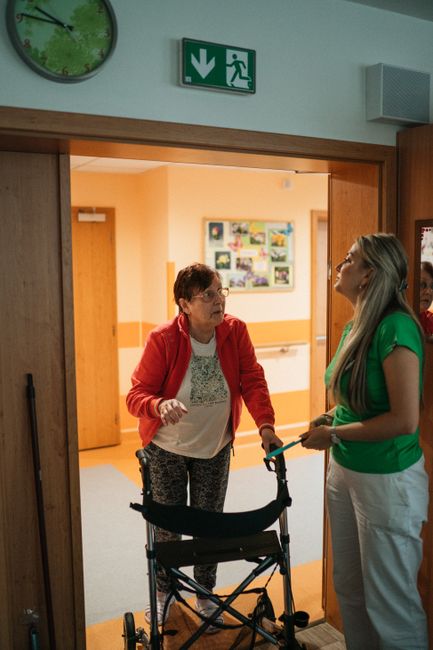
Senior couples do not always age at the same pace. One partner may need help with bathing, medications, or mobility while the other remains mostly independent. Assisted living can support both people in the same household while allowing each person to receive an appropriate level of help.
For couples in Lewisburg, PA, this arrangement may offer a practical alternative to separating households or expecting one partner to become a full-time caregiver. The right setting should support individual needs, shared routines, privacy, and changing health conditions.
Can couples with different care needs live together in assisted living?
Yes. Many assisted living communities are designed to support residents with varying levels of independence. One partner may need regular personal care, while the other may need only meals, housekeeping, transportation support, or occasional reminders.
Care plans are typically based on the individual rather than the couple as a unit. This means each person may receive different services, assistance schedules, and safety precautions while continuing to share a residence.
For example:
- One partner may receive help with dressing and showering.
- The other may manage personal care independently but benefit from medication reminders.
- Both may participate in meals, activities, and social events.
- Either partner may have access to additional nursing oversight if health needs change.
The couple’s shared living arrangement does not necessarily mean both people must follow the same daily schedule or receive the same services.
How does assisted living balance independence and support?
Assisted living is generally intended to provide support with daily tasks while preserving as much independence as possible. Residents are not expected to give up every routine simply because one area of care has become difficult.
A couple might continue choosing when to wake up, how to spend leisure time, and which activities to attend. Staff assistance may be available for tasks such as:
- Bathing, grooming, or dressing
- Moving safely from a bed to a chair
- Toileting and incontinence care
- Medication organization and reminders
- Meal access and nutrition monitoring
- Housekeeping and laundry
- Transportation for errands or appointments
The goal is usually to reduce unsafe strain, not to control every part of the resident’s day. Couples should ask how care is adjusted when needs increase or improve.
What if one partner needs memory support?
Memory loss can create a more complicated situation, especially when one partner has dementia-related symptoms and the other does not. Some assisted living settings offer memory support areas or specialized programs, while others may not be equipped for advanced cognitive or behavioral needs.
A couple may be able to remain in the same building while receiving different services. In other situations, one partner may live in a secured memory support area and the other may live in a more independent setting nearby.
Important questions include:
- Can spouses visit each other freely throughout the day?
- Are shared meals or activities available?
- How are wandering, nighttime confusion, or agitation managed?
- What happens if memory-related needs become more intensive?
- Can the healthier partner remain in the same residence if the other needs a different level of care?
A diagnosis alone does not determine the appropriate setting. The key factors include safety, judgment, mobility, communication, sleep patterns, and the amount of supervision required.
How can assisted living reduce the caregiving burden between spouses?
Assisted living can reduce the physical and emotional pressure placed on the healthier partner. Spouses often want to care for each other, but tasks such as lifting, transferring, bathing, or managing complex medications can become unsafe without adequate support.
This is especially relevant when the caregiving partner has arthritis, heart disease, vision changes, balance problems, or other limitations of their own. A partner may still offer companionship and emotional support without being responsible for every hands-on task.
Assistance can also reduce tension within the relationship. When one spouse must repeatedly provide personal care, the relationship can begin to feel more like a caregiver arrangement than a marriage. Having trained staff handle appropriate tasks may allow the couple to spend more time together as partners.
What should couples consider about apartment layouts?
The living space matters. Some couples prefer a shared apartment or suite, while others may function better with separate bedrooms or nearby rooms. Different sleep schedules, mobility equipment, continence needs, or nighttime symptoms can affect comfort and privacy.
Questions worth considering include:
- Is there enough room for walkers, wheelchairs, or other equipment?
- Does the bathroom have adequate grab bars and clear floor space?
- Can each person maintain personal belongings and private routines?
- Is the kitchen or living area safe for the less impaired partner?
- Are emergency response systems accessible to both residents?
- Would separate sleeping spaces improve rest?
In some cases, a shared apartment works well at first but becomes less practical as one person’s care needs change. Couples should ask whether room changes or different care arrangements are possible later.
How do costs work when spouses need different services?
Costs may differ because assisted living charges are often based on housing, services, and the amount of care each resident requires. A couple should request a clear explanation of which expenses apply to each person and which are shared.
Potential cost differences may relate to:
- The size and type of residence
- Personal care assistance
- Medication support
- Incontinence care
- Memory support services
- Transportation or additional supervision
- Room changes after a health decline
It is useful to ask for examples of how monthly costs could change if one partner begins needing more help. Families should also clarify whether fees are flat, tiered, or reassessed after a change in condition.
How does local weather affect planning in Lewisburg?
Seasonal conditions can influence daily safety and family visits. Winter ice, snow, and freezing temperatures may make outdoor mobility more difficult, especially for residents who use walkers or have balance concerns. Summer heat and humidity can also affect hydration, fatigue, and medication routines.
Couples and families may want to ask about:
- Indoor walking areas during poor weather
- Emergency planning for power outages or severe storms
- Safe transportation during winter conditions
- Heating, cooling, and temperature control in resident rooms
- How outdoor activities are adjusted during extreme heat or cold
Local housing patterns can also matter. Moving from a larger home to assisted living may reduce maintenance responsibilities, but couples may need time to sort possessions, arrange furniture, and decide which household routines they want to preserve.
What should couples ask before choosing an arrangement?
A useful evaluation focuses on both present needs and likely changes over time. Couples should ask how the setting handles uneven care needs rather than assuming the same service package will suit both residents.
Questions may include:
- Can spouses share a residence when their care levels differ?
- Are care assessments completed separately?
- How often are care plans reviewed?
- Can one partner receive memory support while the other remains in standard assisted living?
- What medical or nursing needs exceed the setting’s capabilities?
- How are falls, hospital stays, or rehabilitation handled?
- Can residents keep the same apartment if care needs change?
- How are privacy, intimacy, and visits supported?
- What happens if one spouse dies or must move to a higher level of care?
The most workable arrangement is one that protects safety without unnecessarily separating the couple. Assisted living can provide that balance when services, housing, costs, and future care options are explained clearly from the beginning.
